Featured Posts

Showing posts with label Diet and Nutrition. Show all posts

Smith: Encyclopedia of Junk Food & Fast Food

This encyclopedia is intended to be the primary balanced source for information about fast food and junk food. It focuses specifically on national fast food franchises and commercial junk food targeted at youth. Junk food is defined as those commercial products, including candy, bakery goods, ice cream, salty snacks, and soft drinks, which have little or no nutritional value but do have plenty of calories, salt, and fats. While not all fast foods are junk foods, most are. Fast foods are ready-to-eat foods served promptly aft er ordering. Some fast foods are high in calories and low in nutritional value, while other fast foods, such as salads, may be low in calories and high in nutritional value.

This encyclopedia is aimed at the general reader and students who are interested in junk food and fast food. The entries in it are listed in alphabetical order. Overview entries, such as those on Fast Food, Chains, and Soda/Soft Drink explain the term, give an overview, and describe its significance. Specific entries, such as those on Snickers, Hires Root Beer, and Coca-Cola, give brief histories of these products and note their significance.

Each entry contains cross-references in bold type to other entries in the encyclopedia and a list of suggested readings at the end. Following the introduction, there is a chronology of key junk food and fast food events and people. At the back of the encyclopedia are a glossary and a resource guide of books, films, and Web sites. This encyclopedia is fully indexed.


Contents 
  • Preface
  • Acknowledgments
  • List of Entries
  • List of Entries by Topic
  • Introduction
  • Chronology
  • Th e Encyclopedia
  • Glossary
  • Selected Bibliography
  • Resource Guide
  • Index


List of Entries by Topic
  • Bakery Goods
  • Bakery Snacks
  • Chips Ahoy!
  • Chocolate Chip Cookies
  • Cinnabon
  • Cookies and Crackers
  • Doughnuts
  • Dunkin’ Donuts
  • Famous Amos
  • Fortune Cookies
  • Girl Scout Cookies
  • Hostess
  • Keebler
  • Krispy Kreme
  • Little Debbie
  • Moon Pie
  • Mrs. Fields Cookies
  • Oreos
  • Pepperidge Farm
  • Pop-Tarts
  • Snack Foods
  • Twinkies
  • Winchell’s Donut House

Beverages
  • A&W Root Beer
  • Barq’s Root Beer
  • Beverages
  • Cadbury Schweppes
  • Canada Dry Ginger Ale
  • Coca-Cola Company
  • Cola
  • Cola Wars
  • Convenience Foods/Drinks
  • Diet Soda
  • Dr Pepper
  • Ginger Ale
  • Hires Root Beer
  • Kool-Aid
  • Mountain Dew
  • Moxie
  • Orange Crush
  • PepsiCo
  • Powdered Mixes
  • Power and Energy Bars
  • Root Beer
  • Royal Crown Cola
  • Schweppes
  • 7-Up
  • Slurpee
  • Soda/Soft Drink
  • Soda Fountains
  • Sports Drinks
  • Sugars
  • Tang
  • Vernor’s Ginger Ale

Candy
  • Baby Ruth
  • Bit-O-Honey
  • Butterfinger
  • Cadbury
  • Cadbury Schweppes
  • Candy
  • Caramels
  • Chanukah Candy
  • Chewy Candy
  • Chocolate
  • Chocolate Confections
  • Christmas
  • Clark Bar
  • Deep-fried Mars Bars and Twinkies
  • Easter Candy
  • Good & Plenty
  • Gross-out Candy
  • Gum
  • Gummi/Gummy Candy
  • Halloween
  • Hard Candy
  • Hershey’s Chocolate Bar
  • Jelly Beans
  • Junior Mints
  • Junk Foods
  • Just Born
  • Licorice
  • LifeSavers
  • Lollipops and Suckers
  • M&M’s
  • Mars, Inc.
  • Mary Jane Candies
  • Mike and Ike
  • Milk Duds
  • Milky Way
  • Mounds Bar
  • Nestlé
  • New England Confectionery Company
  • Oh Henry!
  • PayDay
  • Penny Candy
  • PEZ
  • Reese’s Peanut Butter Cups
  • Ritz Crackers
  • Rowntree’s of York
  • Seasonal Candy
  • Snack Foods
  • Snickers
  • Sugars
  • 3 Musketeers
  • Toblerone
  • Tootsie Roll
  • Valentine’s Day Candies
  • Wrigley Co.
  • York Peppermint Patties

Companies and Corporations
  • Advertising
  • American Junk Food /Fast Food in Other
  • Countries
  • Cadbury
  • Cadbury Schweppes
  • Charities
  • Coca-Cola Company
  • Corporate Concentration
  • Corporate Sponsorships and Programs in
  • Schools
  • Frito Bandito
  • Frito-Lay
  • General Foods Corp.
  • General Mills, Inc.
  • Hershey Company
  • Just Born
  • Keebler
  • Kellogg Company
  • Kraft Foods
  • Marriott Corp.
  • Mars, Inc.
  • McDonald’s
  • McLibel
  • Nabisco
  • Nestlé SA
  • New England Confectionery Company
  • PepsiCo
  • Peter Paul Candy Company
  • Ronald McDonald
  • Rowntree’s of York
  • 7-Eleven
  • Unilever

Fast Food
  • A&W Root Beer
  • AFC Enterprises
  • Arby’s
  • Arthur Treacher’s
  • Blimpie International, Inc.
  • Boston Market
  • Breakfast Fast Foods
  • Burger King
  • California Pizza Kitchen
  • Carl’s Jr.
  • Chicken
  • Chicken Delight
  • Chicken McNuggets
  • Chuck E. Cheese Pizza
  • Church’s Chicken
  • Cinnabon
  • Condiments
  • Convenience Foods/Drinks
  • Del Taco
  • Domino’s Pizza
  • Drive-thrus
  • Egg Fast Food
  • Fast Food Nation
  • Fast Food
  • Fish and Chips
  • Fish as Fast Food
  • French Fries
  • Fried Chicken
  • Frozen Pizza
  • Hamburgers
  • Happy Meal
  • Hardee’s
  • Hot Dog
  • In-N-Out Burger
  • Jack in the Box
  • Junk Foods
  • Kentucky Fried Chicken (KFC)
  • Ketchup
  • Little Caesar’s Pizza
  • Long John Silver’s
  • McDonald’s
  • Menus
  • Mexican Food
  • Milkshakes, Malts, and Ice Cream Sodas
  • Nathan’s Famous
  • Onion Rings
  • Panda Express
  • Pizza
  • Pizza Hut
  • El Pollo Loco
  • Popeyes
  • Quiznos Sub
  • Regional Fast Foods
  • Ronald McDonald
  • Roy Rogers
  • Sbarro
  • Shakey’s Pizza

Sonic
  • Subs/Grinders
  • Subway
  • Taco Bell
  • Tombstone Pizza
  • Wendy’s International
  • Wimpy
  • White Castle
  • White Tower
  • Wienerschnitzel
  • Health and Nutrition
  • Bovine Growth Hormone (BGH)
  • Caff eine
  • Carbohydrates
  • Cholesterol
  • Diabetes
  • Dieting
  • Escherichia coli
  • Fats
  • Food Pyramid
  • Foodborne Illnesses
  • Health Concerns
  • Hyperactivity
  • Injury
  • Mad Cow Disease
  • Nutrition
  • Nutritional Guidelines
  • Obesity
  • Salmonella

Ice Cream
  • Baskin-Robbins
  • Ben & Jerry’s
  • Blue Bell
  • Breyers
  • Carvel Corp.
  • Dairy Queen
  • Dove Bar
  • Dreyer’s/Edy’s Ice Cream
  • Drumsticks
  • Eskimo Pie
  • Fosters Freeze
  • Good Humor
  • Häagen-Dazs
  • Ice Cream
  • Klondike Bar
  • Popsicle
  • Push-ups
  • Tastee-Freeze

Issues and Special Topics
  • Animal Rights Movement
  • Anti-unionization
  • Architecture and Design
  • Automobiles
  • Battle of the Burgers
  • Boycotts
  • Cereals (Breakfast)
  • Collectibles and Americana
  • Conformity
  • Consumerism
  • Controversies
  • Convenience Foods/Drinks
  • Corporate Sponsorships and Programs in Schools
  • Crime
  • Disclosure
  • Discrimination
  • Efficiency
  • Elderly
  • Employment
  • Entrepreneurs
  • Environment
  • Exploitation
  • Exposés
  • Factory Farming
  • Fair Food
  • Fast Food Nation
  • Film
  • Food Pyramid
  • Genetically Modifi ed Organisms (GMOs)
  • Globalization
  • Hollywood, Movie Tie-ins, Celebrity
  • Endorsements
  • Iconography
  • Lawsuits
  • Lobbying
  • Mascots, Logos, and Icons
  • McDonaldization
  • McLibel
  • Meatpacking Industry
  • Memoirs
  • Minimum Wage
  • Music
  • Neighborhoods
  • Newspapers
  • Occupational Safety and Health Administration (OSHA)
  • Packaging
  • Patriotism
  • Politics of Junk Food
  • Pricing
  • Protests
  • Radio
  • Rules
  • Sandwiches
  • Schools
  • Secret Formulas
  • Signage
  • Slogans and Jingles
  • Sports Sponsorships
  • Street Vendors
  • Supermarkets
  • Supersizing
  • Suppliers
  • Tater Tots
  • Taxing Snack Food
  • Teen Hangouts
  • Television
  • Th eaters
  • Tie-ins
  • Toys
  • Training
  • Uniforms
  • Urban Blight
  • U.S. Department of Agriculture (USDA)
  • Vegetarianism/Veganism
  • Vending Machines
  • Violence
  • Waste

Organizations
  • Center for Science in the Public Interest (CSPI)
  • Fast Food and Snack Food Associations
  • National Confectioners Association
  • Physicians Committee for Responsible Medicine
  • Slow Food

People
  • Hershey, Milton S.
  • Ilitch, Mike
  • Karcher, Carl N.
  • Kroc, Ray
  • Mars, Forrest
  • Mars, Frank
  • Monaghan, Tom
  • Redenbacher, Orville
  • Sanders, Harland
  • Th omas, Dave
  • Restaurants and Drive-ins

Automats, Cafeterias, Diners, and Lunchrooms
  • Big Boy
  • Carhops
  • Chains
  • Drive-ins
  • Franchising
  • Locations
  • Tricon Global Restaurants
  • Yum! Brands, Inc.

Salty and Other Noncandy Snacks
  • Beef Jerky
  • Bugles
  • Cheese-based Snacks
  • Cheetos
  • Corn Chips
  • Cracker jack
  • Dips
  • Doritos
  • Extruded Snacks
  • Frito-Lay Corn Chips
  • Goldfi sh
  • Graham Crackers
  • Jell-O
  • Mr. Peanut
  • Nachos
  • Nuts
  • Popcorn
  • Potato Chips
  • Pretzels
  • Pringles
  • Salt
  • Snack Foods
  • Sweet Popcorn


Product Details

  • Hardcover: 368 pages
  • Publisher: Greenwood; 1 edition (August 30, 2006)
  • Language: English
  • ISBN-10: 0313335273
  • ISBN-13: 978-0313335273
  • Product Dimensions: 10.1 x 7 x 1.1 inches
List Price: $85.00 
 

Kern: CRC Desk Reference on Sports Nutrition

Sports nutrition has become a critical issue in the world of nutrition. This specialty encompasses the assessment of the nutritional status of athletes as well as the effects of exercise, diet, and dietary supplements on metabolism and performance. Athletes, dietitians, and other nutrition practitioners, coaches, and athletic trainers require knowledge of nutrition that can be applied to sports in a manner that can enhance health and performance.

This book provides a collection of alphabetical entries of terms and concepts central to the area of sports nutrition with the goal of providing concise, up-to-date information for the reader. Each entry is provided in one of the following formats:
  • definition - limited to 50 words;
  • paragraph - approximately 51 to 100 words;
  • essay - 101 to 300 words;
  • composition - 301 to 600 words;
  • article - 601 to 1000 words;
  • feature article - 1001+ words.
Entries were selected based on their relevance to sports nutrition, and depth of coverage was determined by the importance to the field and the volume of available research for review. Collaborating authors with specific knowledge and experiences contributed several entries.

This book can serve as a valuable resource for registered dietitians, sports medicine physicians, athletic trainers, coaches, strength and conditioning coaches, researchers, and others interested in sports nutrition. While intended as a desk reference, it can also be an excellent addition to the holdings of college and high school libraries. Since many terms used in the longer entries have been defined in separate entries, this book can be useful to a wide variety of audiences.


About the Author
Mark Kern, Ph.D., R.D., received his B.S. and M.S. degrees in nutrition science at Indiana University in Bloomington, Indiana, and his Ph.D. in foods and nutrition at Purdue University. He completed his dietetics training at Ball Memorial Hospital in Muncie, Indiana. Dr. Kern has been a member of the faculty in the Department of Exercise and Nutritional Sciences at San Diego State University since 1995.
Dr. Kern’s major research interests include sports dietetics as well as the independent and interactive effects of diet and exercise on risk for chronic diseases. He is an active member of the Sports, Cardiovascular, and Wellness Nutritionists Dietetic Practice Group of the American Dietetic Association and serves as the Editor-in-Chief of PULSE, the organization’s quarterly peer-reviewed publication. He is also a member of several other professional societies and serves as a reviewer for several peer-reviewed journals.


Product Details

  • Hardcover: 216 pages
  • Publisher: CRC Press; 1 edition (May 12, 2005)
  • Language: English
  • ISBN-10: 0849322731
  • ISBN-13: 978-0849322730
  • Product Dimensions: 9.3 x 6.3 x 0.7 inches
List Price: $102.95 
 

Crack the Fat Loss Code: Outsmart Your Metabolism & Conquer the Diet Plateau

Wouldn’t it be great to understand the secret behind diet success? Wouldn’t it be amazing to lose fat efficiently? What if you could have built-in “Food Passes” that allow you to eat out, have a drink, and celebrate in style—not in starvation? What if you could solve the age-old mystery of how to lose the fat—and keep it off?

Now you can. Crack the Fat-Loss Code takes the mystery out of your body, a machine that fights every effort you make to lose fat. By understanding the science behind the fat-loss code, you can conquer your old eating habits and crack the fat-loss code.

Good health is a marathon, not a sprint. It lasts a lifetime, so why not find a program that lasts a lifetime? Other diets let you down once you’ve lost the weight. Crack the Fat-Loss Code provides not only an intensive eight-week process for losing the fat, but also a lifelong maintenance program that fits with your lifestyle. This is no rigid system based on denial; the food plans are generous, simple, and easy to tailor to your own needs. Built-in Food Passes make it easy—and healthy—to rotate out the days so that you can party with the best of them and not throw the entire plan out of whack.

The lessons and information in this book not only will last a lifetime but also will improve the time you have in life and finally give you the understanding and the correct information so you can take back control of your health and future wellbeing. Quality of life is the key to healthy living, and that’s because our bodies and minds are inextricably linked. When you eat better, you feel better; when you feel better, life is better. It’s just that simple.


Contents
PART 1 WHY YOUR BODY WON’T LOSE FAT
1 Your Body: The Ultimate Survivor
  • Understanding the Body’s Needs
  • Perceived Efficiency Rate (PER)
  • The Body’s Two Functions of Survival
  • The Point of Adaptation
  • The Dieter’s Plateau
  • The Fat-Loss Code
2 Not All Foods Are Created Equal: How Your Body Uses Fuel
  • Protein
  • Fats
  • Carbohydrates
  • How to Make Fat Your Go-to Energy Source

PART 2 CRACK THE FAT-LOSS CODE
3 Efficient Fat Loss and Optimal Health: Five Keys to Success
  • Key 1: Protect and Support Muscle
  • Key 2: Level Blood Sugar
  • Key 3: Create an Energy Deficit
  • Key 4: Produce Heat
  • Key 5: Manipulate Energy Stores
4 Eight Weeks to Cracking the Code and Breaking Your Plateau: Two Months to a Brand-New You
  • Understanding the Four Cycles of the Fat-Loss Code
  • How to Put the Four Cycles in Motion
5 Cycle 1: Carb-Deplete Cycle, Week 1
  • Rules for the Carb-Deplete Cycle
  • Weekly Meal Plan for the Carb-Deplete Cycle
  • Substitution Food Lists for the Carb-Deplete Cycle
  • Sample Daily Meal Plan for the Carb-Deplete Cycle
  • Wendy’s Top-Ten Carb-Deplete Shopping List Items
  • Wendy’s “Mmm Good” Favorite Recipes for the Carb-Deplete Cycle
6 Cycle 2: Macro-Patterning Cycle, Weeks 2–4
  • Rules for the Macro-Patterning Cycle
  • Weekly Meal Plans for the Macro-Patterning Cycle
  • Substitution Food Lists for the Macro-Patterning Cycle, Accelerated Fat-Loss Cycle, and Maintenance Cycle
  • Sample Daily Meal Plans for the Macro-Patterning Cycle
  • Wendy’s Top-Five Macro-Patterning Shopping List Items
  • Wendy’s “Mmm Good” Favorite Recipes for the Macro-Patterning Cycle
7 Cycle 3: Accelerated Fat-Loss Cycle, Weeks 5–6
  • Rules for the Accelerated Fat-Loss Cycle
  • Weekly Meal Plans for the Accelerated Fat-Loss Cycle
  • Wendy’s “Mmm Good” Favorite Recipes for the Accelerated Fat-Loss Cycle
8 Cycle 4: Maintenance Cycle, Weeks 7–8
  • Rules for the Maintenance Cycle
  • Weekly Meal Plans for the Maintenance Cycle
  • Sample Daily Meal Plans for the Maintenance Cycle
  • Wendy’s “Mmm Good” Favorite Recipes for the Maintenance Cycle

PART 3 LIVING FOREVER FIT
9 Forever Fit: Restarting the Cycle
  • Never Say Diet: Always Say Lifestyle
  • Ten Keys to Fat-Loss Success
  • The Future Starts Now
10 Sample Meal Plans: Your Eight-Week Planner
  • Eight-Week Meal Plans at a Glance
  • Cycle 1: Carb-Deplete Cycle
  • Cycle 2: Macro-Patterning Cycle
  • Cycle 3: Accelerated Fat-Loss Cycle
  • Cycle 4: Maintenance Cycle
11 Charting Your Success: Sample Log Sheets
  • Carb-Deplete Day (A) Food Log
  • Baseline Day (B) Food Log
  • Carb-Down Day (C) Food Log
  • Carb-Up Day (D) Food Log
12 ForeverFit Eating: More of Wendy’s "Mmm Good" Recipes
  • Breakfast Favorites
  • Anytime Egg Favorites
  • Salad and Side Dish Favorites
  • Chicken and Fish Favorites
Appendices
  • Appendix A: Body Fat Calculator
  • Appendix B: Metric Conversion Chart
References and Scientific Basis
More About ForeverFit Programs and Services
Index


Product Details

  • Paperback: 304 pages
  • Publisher: McGraw-Hill; 1 edition (February 4, 2008)
  • Language: English
  • ISBN-10: 007154691X
  • ISBN-13: 978-0071546911
  • Product Dimensions: 9 x 5.9 x 0.9 inches
List Price: $16.95 
 

Greenberger: 4 Weeks to Healthy Digestion: A Harvard Doctor’s Proven Plan for Reducing Symptoms of Diarrhea, Constipation, Heartburn and more

The focus of this book—as well as of the Four-Week Plan for Healthy Digestion — is first and foremost on healthy nutrition. As the saying goes, you are what you eat. Every digestion problem discussed in this book is closely tied not only to everything that goes into your mouth — including foods, beverages, medications, vitamins, supplements, snacks, and even that after dinner mint — but also to your method of eating. For example, do you “inhale” your food without taking the time to chew it fully? Do you eat in an atmosphere of stress? These habits are not conducive to digestive health. By contrast, calm, slow mealtimes and chewing every bite thoroughly both help to improve your digestion.

The key to a healthy, comfortable digestion is mindfulness about what you eat and how you eat, as well as close attention to your symptoms. To help you, this book have included a Food and Symptom Log in Chapter 1 as a template for you to record this information. The log you maintain will give you an excellent point of reference to begin discussing the best digestion solutions with your doctor. Chapter 9, “Communicating with Your Doctor,” offers suggestions on how to do this.

The first chapter describes the Four-Week Plan in general terms. Chapters on specific symptoms follow, and you can pick and choose the sections that apply to you. In those chapters, you will find more detailed guidance about using the Four-Week Plan, including which foods to avoid or include, as well as any specific lifestyle changes that apply. If you are a woman, Chapter 8, “For Women Only,” will be of interest, since your gut reacts to your female hormones, as well as to your menstrual cycle and to menopause. Finally, for anyone who likes to cook, Part 2 has some delicious and digestionfriendly recipes, organized according to symptom.


Contents
  • Introduction
PART 1 What You Need to Know About Healthy Digestion
  • Chapter 1 Introducing the Four-Week Plan for Healthy Digestion
  • Chapter 2 Diarrhea
  • Chapter 3 Constipation
  • Chapter 4 Heartburn and Gastroesophageal Reflux Disease
  • Chapter 5 Dyspepsia
  • Chapter 6 Celiac Sprue
  • Chapter 7 Diabetes
  • Chapter 8 For Women Only
  • Chapter 9 Communicating with Your Doctor
PART 2 Healthy Digestion Recipes
Index


About the Author
  • Norton J. Greenberger, M.D., is a clinical professor of medicine at Harvard Medical School and a senior physician at Brigham and Women's Hospital. He is an internationally renowned gastroenterologist, former president of the American Gastroenterological Association, and a recipient of the Julius M. Friedenwald Medal, the most prestigious award given in recognition of outstanding lifetime achievement in and contribution to the field of gastroenterology.


Product Details

  • Paperback: 256 pages
  • Publisher: McGraw-Hill; 1 edition (March 5, 2009)
  • Language: English
  • ISBN-10: 0071547959
  • ISBN-13: 978-0071547956
  • Product Dimensions: 8.9 x 5.9 x 0.6 inches
List Price: $18.95 
 

Mangels: The Dietitian's Guide to Vegetarian Diets: Issues & Applications 3rd Edition

The Dietitian’s Guide to Vegetarian Diets: Issues and Applications, Third Edition provides the most up-to-date information on vegetarian diets. Written for dietitians and other health care professionals, the Third Edition can be used as an aid for counseling vegetarian clients and those interested in becoming vegetarians, or serve as a textbook for students who have completed introductory coursework in nutrition. Evidence-based and thoroughly referenced, this text includes case-studies, sample menus, and counseling points to help readers apply material to the real world.


Key Features
  • Expanded counseling points provide a summary of key practical information in each chapter - useful for students who are trying to decide what is most important to focus on.
  • Discussion questions/case studies are included in this edition - can be used by instructors or for independent student projects.
  • More charts and tables have been incorporated into the text to provide useful and accessible summaries of information.
  • A very common area of interest is vegetarian diets for infants, children, teens, and pregnant and lactating women. This edition features chapters on each of these life-cycle stages and provides both the latest research as well as practical suggestions for key sources of nutrients and for menu planning.
  • Includes a food guide that can be used by vegetarians throughout the life-cycle as well as for multiple kinds of vegetarian diets (lacto-ovo, lacto, vegan, etc).
  • Highlights the benefits of using vegetarian diets in the treatment of hyperlipidemia, hypertension, type 2 diabetes, and overweight.
  • Features soy and health and soy safety.
  • Includes preparation techniques for foods commonly used by vegetarians - chapter on preparing grains and beans, replacing eggs in cooking, and using soy products as well as a glossary of vegetarian foods.


Table of Contents
Part 1 An Overview of Vegetarian Diets
  • Chapter 1 Demographics and Definitions
  • Chapter 2 Health Consequences of Vegetarian Diets
Part 2 Vegetarian Nutrition
  • Chapter 3 Protein
  • Chapter 4 Fats
  • Chapter 5 Calcium
  • Chapter 6 Minerals
  • Chapter 7 Vitamins
  • Chapter 8 Phytochemicals
  • Chapter 9 Soyfoods
  • Chapter 10 Food Guides for Vegetarians
Part 3 Vegetarian Diets Throughout the Lifecylce
  • Chapter 11 Pregnancy and Lactation
  • Chapter 12 Vegetarian Diets in Infancy
  • Chapter 13 Preschool and School-Age Children
  • Chapter 14 Vegetarian Diets for Adolescents
  • Chapter 15 Vegetarian Diets for Older People
Part 4 Practical Implications
  • Chapter 16 Carbohydrates, Fat, and Chronic Disease
  • Chapter 17 Vegetarian Food Preparation
Glossary of Vegetarian Foods
Resources on Vegetarian Diets
Appendix A-R


About the Authors
  • Reed Mangels is a nutrition advisor for the non-profit, educational Vegetarian Resource Group as well as nutrition editor and a regular columnist for the quarterly publication, Vegetarian Journal. Reed also wrote the nutrition section of Simply Vegan, co-authored Vegan and Vegetarian FAQ, and has recently written chapters on Vegetarian Diets in Pregnancy and for Children for Handbook of Nutrition and Pregnancy and Nutrition in the Life Cycle. She is the co-author of the American Dietetic Association’s most recent position paper on Vegetarian Diets. Reed is also a lecturer in the Nutrition Department of the University of Massachusetts Amherst.
  • Virginia Messina, MPH, RD is a registered dietitian with a masters in public health nutrition from the University of Michigan. She has taught nutrition at the university level, was a foods and nutrition specialist for the Michigan Cooperative Extension Service and was director of nutrition services for George Washington University Medical Center. She works on a number of projects with the American Dietetic Association's Vegetarian Nutrition Dietetic Practice group, served as editor of the newsletter Issues in Vegetarian Dietetics, is editor of a series of fact sheets on vegetarian nutrition produced by ADA and is co-author of the ADA's 1997 position paper on vegetarian diets. Ms. Messina is widely quoted in the media, writes for a number of publications and is a regular contributor on plant food issues to Encyclopedia Britannica. She is a co-founder of the peer-reviewed journal Vegetarian Nutrition: An International Journal and serves as editor for online and print resources for this publication. Ms. Messina is also senior editor of the international newsletter Vegetarian Nutrition and Health Letter, and is co-owner of the first Internet list serve to address vegetarian issues from a scientific perspective. She is co-author of The Vegetarian Way (Crown Books, 1996), The Dietitians Guide to Vegetarian Diets: Issues and Applications (Aspen Publishers, 1996), The Simple Soybean and Your Health (Avery Publishers, 1994), and has co-authored two vegetarian cookbooks, The Vegetarian No-Cholesterol Barbecue Book (St. Martins Press, 1994) and The Vegetarian No-Cholesterol Family Style Cookbook (St. Martins Press, 1995).
  • Mark Messina, PhD, is a nutritionist with a masters degree in nutrition from the University of Michigan and a doctorate in nutrition from Michigan State University. He was employed by the National Cancer Institute, National Institutes of Health where he identified research needs in the area of diet and cancer prevention. He was responsible for allocating funding for research into the effects of soyfoods on cancer prevention. Dr. Messina also headed the NCI's Designer Foods Program which focused on developing foods high in phytochemicals with anticancer activity for use in research. He writes extensively on the health benefits of soyfoods and on plant-based diets and has given more than 100 presentations to both consumers and professionals on these topics. He is quoted regularly by the media. Dr. Messina co-edits and writes a regular column for The Soy Connection a newsletter sent to 70,000 dietitians. He organized and chaired two international symposia (held in Tucson, AZ and in Brussels, Belgium) on "The Role of Soy in the Prevention and Treatment of Chronic Disease." Dr. Messina is co-founder and editor of the peer-reviewed journal Vegetarian Nutrition: An International Journal. He is also a senior editor of the international newsletter Vegetarian Nutrition and Health Letter. He is co-author of The Vegetarian Way (Crown Books, 1996), The Dietitians Guide to Vegetarian Diets: Issues and Applications (Aspen Publishers, 1996), and The Simple Soybean and Your Health (Avery Publishers, 1994).


Product Details

  • Paperback: 596 pages
  • Publisher: Jones & Bartlett Learning; 3 edition (2011)
  • Language: English
  • ISBN-10: 0763779768
  • ISBN-13: 978-0763779764
  • Product Dimensions: 8.8 x 6.8 x 1.4 inches
List Price: $115.95 
 

Contento: Nutrition Education: Linking Research, Theory & Practice 2nd Edition

The role of nutrition education is to address the numerous personal and environmental influences on food choices and assist individuals in practicing healthy behaviors. Nutrition Education, Second Edition provides students with a simple, straightforward model to easily design effective nutrition education. Using a six-step process, it integrates theory, research, and practice, providing advice on designing, implementing, and evaluating theory-based nutrition education.


This book is divided into three parts:
  • Part 1 provides the background; it describes the evidence for nutrition education and the theories from behavioral sciences that can guide nutrition education.
  • Part 2 lays out the 6-step process for designing nutrition education; it includes diagrams, worksheets, and case studies to provide a clear illustration of each of these steps.
  • Part 3 describes the nuts and bolts of providing nutrition education: leading groups; working with different ages, low-literacy groups; making presentations, making and using visuals.

Each chapter begins with a design model that illustrates which step of the 6-step process the chapter addresses, while keeping students aware of the entire process. All of the chapters provide the opportunity to practice nutrition education skills through real-life case studies and practical worksheets.


Key Features
  • Includes examples in each chapter to illustrate the key theories of the field and approaches.
  • Helps students develop their own sessions or program using the design system.
  • Provides tips on practical matters such as: how to lead groups; public speaking; how to design and use various kinds of visual materials such as hand-outs and powerpoints; characteristics of different audiences, such as children, adults, low-literacy.
  • Takes students gradually into the field of nutrition education, with the chapters building on each other.
  • Incorporates up-to-date information on the evidence of various theory-based approaches and shows how to translate behavioral theory into educational practice.
  • Focuses on developing programs to increase motivation and opportunites for people to take action on food and diet-related issues.
  • Takes a social ecological approach to provide guidance on strategies to enhance motivation, skills, and environmental supports for action.


Table of Contents
Part I Linking Research, Theory, and Practice: The Foundations
  • Chapter 1 Issues in Nutrition Education: An Introduction
  • Chapter 2 Determinants of Food Choice and Dietary Change: Implications for Nutrition Education
  • Chapter 3 An Overview Of Nutrition Education: Facilitating Why and How To Take Action
  • Chapter 4 Foundation in Theory and Research: Increasing Awareness and Enhancing Motivation
  • Chapter 5 Foundation in Theory and Research: Facilitating the Ability to Take Action
  • Chapter 6 Foundation in Theory and Research: Promoting Environmental Supports for Action
Part II Using Research and Theory in Practice: A Stepwise Procedure for Designing Theory-Based Nutrition Education
  • Chapter 7 Step 1: Analyzing Food and Health Issues to Specify the Behavior or Action Focus of the Program
  • Chapter 8 Step 2: Identifying Potential Mediators Of Program Behaviors and Actions
  • Chapter 9 Step 3: Selecting Theory, Educational Philosophy, and Program Components
  • Chapter 10 Step 4: Translating Behavioral Theory Into Educational And Support Objectives
  • Chapter 11 Step 5a: Translating Behavioral Theory Into Educational Activities: Enhancing Motivation for Action
  • Chapter 12 Step 5b: Translating Behavioral Theory Into Educational Activities: Facilitating the Ability to Take Action
  • Chapter 13 Step 5c: Designing Strategies to Promote Environmental Supports for Action: Making Action Possible
  • Chapter 14 Step 6: Planning the Evaluation for Theory-Based Nutrition Education
Part III Research and Theory in Action: Implementing Nutrition Education
  • Chapter 15 Communicating Effectively in Group Settings
  • Chapter 16 Beyond Groups: Other Channels for Nutrition Education
  • Chapter 17 Working with Diverse Population Groups
  • Chapter 18 Nutrition Educators as Changes Agents in the Environment


About the Author
Isobel R. Contento, PhD has a bachelor’s degree from the University of Edinburgh, Edinburgh, Scotland and an MA and PhD from the University of California, Berkeley. She is currently the Mary Swartz Rose Professor of Nutrition Education and Coordinator of the Program in Nutrition, Department of Health Behavior Studies, Teachers College Columbia University, New York City. Her research has focused on the behavioral aspects of nutrition, particularly psychosocial factors influencing food choice and behavior change in children and adolescents. Dr. Contento has been involved in the development and evaluation of many nutrition education curricula and programs. She has also served on advisory committees for the American Cancer Society, the Centers for Disease Control and Prevention, the U.S. Department of Agriculture, and Institute of Medicine.


Product Details

  • Paperback: 444 pages
  • Publisher: Jones & Bartlett Pub; 2 edition (2011)
  • Language: English
  • ISBN-10: 0763775088
  • ISBN-13: 978-0763775087
  • Product Dimensions: 10.6 x 8.9 x 0.9 inches
List Price: $114.95 
 

Thompson: The Low-Starch Diabetes Solution: Six Steps to Optimal Control of Your Adult-Onset (Type 2) Diabetes

Until recently, doctors thought adult-onset diabetes was the same as childhood diabetes—that both were caused by lack of insulin. In the 1980s, scientists made the remarkable discovery that they’re entirely different diseases. Whereas kids with diabetes lack insulin, most adult-onset diabetics make plenty of insulin—often more than normal. The problem is that their bodies lose sensitivity to it. Now doctors refer to the disease that young people get as type 1 diabetes and to the kind that middle-aged adults get as type 2-diabetes. This book is for people with adult-onset, or type 2 diabetes.

In times past, the diagnosis of diabetes had tragic implications. Children and young adults with type 1 diabetes often wasted away and died from it. Insulin, when it came along in the 1920s, was the miracle drug for these patients. It allowed them to live normal lives. In those days, the troubles of middle-aged and older folks with type 2 diabetes seemed minor compared with young people with type 1 diabetes. Adult-onset diabetics could live for years with hardly any treatment at all. They could usually get their blood sugar down to reasonable levels by just taking some pills and watching their diet. Doctors rarely prescribed insulin for these patients; they fi gured it wasn’t worth the trouble.

In the 1990s, new research showed that while patients with type 2 diabetes rarely died as a direct result of their diabetes, their mildly elevated blood sugar levels—if these went on long enough—could result in damage to their eyes, kidneys, and blood vessels, and the attendant increase in heart attack rate was alarming. As a result, doctors started taking adult-onset diabetes more seriously, treating it as they would type 1 diabetes, using stronger pills and insulin when necessary to get blood sugar levels as close to normal as possible.

In 2008, researchers released the results of two large studies on the effects of this more vigorous approach to treating adult-onset diabetes. The results were disappointing. Heavier doses of insulin helped patients avoid eye and kidney damage but did little to reduce the rate of heart attacks. What worked for patients with juvenile diabetes didn’t work as well for people with adult-onset diabetes. Those results are not really surprising, considering that type 2 diabetes is a completely different disease from type 1. It has different causes, results in different complications, and requires a different approach to treatment. The goal of treating type 1 diabetes is simple: replace the missing insulin. Type 2 diabetes is more complicated. The body becomes resistant to the effects of insulin, which not only raises blood sugar but brings on cholesterol, blood pressure, and weight problems that cause as much trouble as the high blood sugar does. This often requires a multipronged approach to treatment.

The good news is that you can live to a ripe old age without suffering any health problems from your type 2 diabetes. When the nineteenth-century sage George Bernard Shaw said the secret to good health is to get a chronic disease and take good care of it, he might as well have been talking about adult-onset diabetes. When you do what you need to do to treat it, you reverse many of our modern lifestyle’s harmful effects on your health and general well-being. Indeed, you might find yourself feeling better than you have for years.

This book will give you six simple steps to follow that should give you excellent control of your type 2 diabetes. First, however, it is important to understand the logic behind its treatment. Once you see what brought on your condition, you will know exactly what you need to do to reverse it.


Key Features
  • An innovative program that challenges current ADA guidelines—not available in any other book.
  • Tips on starch-free cooking and easy-to-make low-starch recipes by Dana Carpender, author of the bestselling 15-Minute Low-Carb Recipes.
  • A seven-day, easy-to-follow menu plan.
  • A way to lose weight, regain vitality, and reduce medication.


Contents
Part One: The Toxin
  • Chapter 1: A Gift From the Mediterranean
  • Chapter 2: Lowering Blood Sugar the Old-Fashioned Way
  • Chapter 3: Glycemic Load: The New Old Way
  • Chapter 4: The Culprit
  • Chapter 5: What Starch Does to Your Body
  • Chapter 6: Starch's Slippery Mimic
  • Chapter 7: The Starch-Vulnerable Individual: Insulin Resistance
  • Chapter 8: Things That Get Better When You Eliminate Starch
  • Chapter 9: Why We Are Addicted

Part Two: Six Steps to Optimal Control
  • Chapter 10: Step One: Eliminate Starch
  • Chapter 11: Step Two: Inhibit Starch Absorption
  • Chapter 12: Step Three: Sensitize Your Muscles to Insulin
  • Chapter 13: Step Four: Sensitize Your Liver to Insulin
  • Chapter 14: Step Five: Make Up Any Insulin Deficit With Insulin
  • Chapter 15: Step Six: Optimize Your Cholesterol and Blood Pressure

Part Three: Part 3 Low-Starch Cuisine: Discovering a Tastier Way to Eat 
  • Chapter 16: Starch Substitutes That Taste Better Than Starch
  • Chapter 17: The Art of Baking With Starch-Free Flours
  • Chapter 18: 7 Days of Low-Starch Menus

Appendices 
  • Appendix A: Metric Conversion Factors
  • Appendix B: References
  • Appendix C: Websites and Suggested Reading
Index


About the Author
  • Rob Thompson, M.D. (Seattle, WA) is a board-certified cardiologist in private practice who has counseled patients with high cholesterol, diabetes, and heart disease for more than 25 years. He is on staff at Swedish Hospital Medical Center in Seattle and is the author of The New Low-Carb Way of Life as well as The Glycemic-Load Diet.


Product Details

  • Paperback: 256 pages
  • Publisher: McGraw-Hill; 1 edition (October 1, 2010)
  • Language: English
  • ISBN-10: 0071621504
  • ISBN-13: 978-0071621502
  • Product Dimensions: 8.9 x 5.9 x 0.7 inches
List Price: $16.95 
 

Beneficial Effects of Fish Oil on Human Brain 1/e 2009


Harga: Rp 1.930.300


Pengarang: Akhlaq Farooqui
Jumlah halaman: 386
Penerbit: Springer
Edisi: 1
Tahun terbit: 2009
Bahasa: Inggris
ISBN-10: 1441905421
ISBN-13: 978-1441905420
Versi digital / elektronik: tersedia

Deskripsi:
It is becoming increasingly evident that the deficiency of n-3 fatty acids in diet is not only associated with cardiovascular diseases, but also involved in stroke, epilepsy and other neurological and neurodegenerative diseases, such as Alzheimer disease, Parkinson disease, and peroxisomal diseases. In his newest book, Beneficial Effects of Fish Oil on Human Brain, Dr. Akhlaq A.
Farooqui expands on the status and therapeutic importance of n-3 fatty acids (major components of fish oil) and their mediators in normal brain and those with neurodegenerative and neuropsychiatric diseases.
Farooqui presents the benefits of n-3 fatty acids on Western diet, which is enriched in n-6 fatty acids (major components of vegetable oil) and may promote the above neurological disorders.
The book will present readers with cutting edge and comprehensive information on metabolism and roles of neural membrane n-3 fatty acids.
Neuroscientists, clinicians, neurologists, neuropathologists, opthamologists, dietitians, and nutritionists will find this book useful for understanding the molecular basis of n-3 fatty acids and their lipid mediators (resolvins and neuroprotectins) in neuroprotection in acute neural trauma (stroke, spinal cord trauma and head injury) and neurodegenerative diseases.

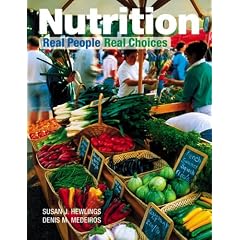
Nutrition: Real People, Real Choices 1/e 2008


Harga: Rp 1.241.600


Pengarang: Susan Hewlings & Denis Medeiros
Jumlah halaman: 744 
Penerbit: Prentice Hall
Edisi: 1
Tahun terbit: 2008
Bahasa: Inggris
ISBN-10: 0130612243
ISBN-13: 978-0130612243
Versi digital / elektronik: belum tersedia

American Dietetic Association Complete Food and Nutrition Guide 3rd Edition


Harga: Rp 309.900,-


Pengarang: Roberta Larson Duyff
Jumlah halaman: 688
Penerbit: John Wiley & Sons
Edisi: 3
Tahun terbit: 2006
Bahasa: Inggris
ISBN-10: 0470041153
ISBN-13: 978-0470041154
Versi digital / elektronik: tersedia

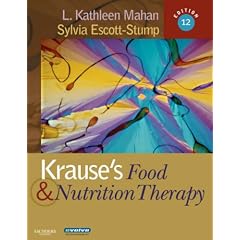
Krause's Food & Nutrition Therapy 12/e 2007


Harga: Rp 1.231.900


Pengarang: L. Kathleen Mahan, Sylvia Escott-Stump
Jumlah halaman: 1376
Penerbit: Saunders (Elsevier)
Edisi: 12
Tahun terbit: 2007
Bahasa: Inggris
ISBN-10: 1416034013
ISBN-13: 978-1416034018
Versi digital / elektronik: belum tersedia

Accounting

Business

Finance and Investments

Macroeconomics

Management

Marketing and Sales

Designed by Web2feel.com | Bloggerized by Lasantha - Premiumbloggertemplates.com | Affordable HTML Templates from Herotemplates.com.
Copyright 2010-2013 EconomicLib.com - All Rights Reserved.